
Blog
Blog Details
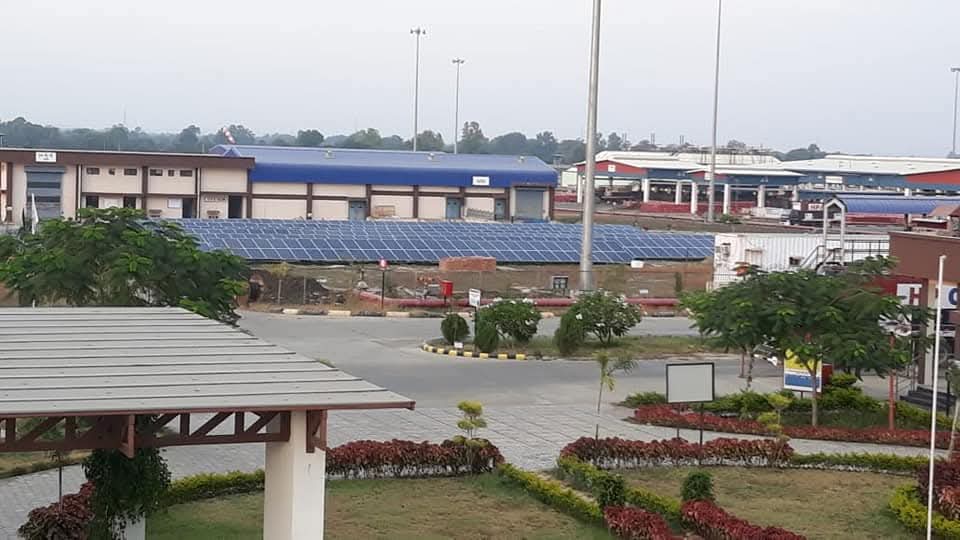
Investing in a solar energy system is one of the most rewarding financial and environmental decisions you can make. By harnessing the power of the sun, you drastically reduce your monthly electricity bills, shrink your carbon footprint, and increase your property’s overall value. However, purchasing and installing solar panels is only the first step of the journey. Because photovoltaic (PV) systems are long-term investments designed to operate for decades, they require proper ongoing care to perform at their absolute best.
Many homeowners operate under the misconception that solar panels are entirely “set-and-forget” technology. While it is true that they have no moving parts—meaning they rarely suffer from mechanical wear and tear—they are constantly exposed to harsh outdoor elements. From windblown dust and pollen to bird droppings, acid rain, and falling debris, your panels endure a lot.
This comprehensive guide dives deep into everything you need to know about solar panel maintenance, helping you protect your investment, maximize your energy generation, and avoid unexpected repair costs.
Why Solar Panel Maintenance Matters
To understand why maintenance is crucial, you must first understand how solar panels generate electricity. Photovoltaic cells capture sunlight and convert it directly into direct current (DC) electricity, which an inverter then converts into alternating current (AC) for your home.
When a physical barrier—such as a layer of dust, bird droppings, or soot—obstructs the glass surface, sunlight cannot effectively reach the solar cells. This phenomenon is known as “soiling.” Depending on your geographic location and local environmental factors, soiling can reduce a system’s energy output by 5% to 25%.
Consider this simple financial reality: if your system is underproducing by even 10% due to neglected grime, you are losing 10% of your potential savings every single month. Routine inspections and proactive cleaning ensure that your system maintains peak efficiency year-round.
Understanding the Factors Affecting Your Solar Panels
Not all solar installations face the same maintenance challenges. Several external factors dictate how often your system will require cleaning or professional checks:
-
Geographic Location and Climate: If you live in an arid or dusty region, or near heavy agricultural fields where soil and dust are frequently kicked up by the wind, your panels will get dirty much faster than those in high-rainfall areas. Conversely, heavy downpours can naturally wash away light dust, though they rarely remove sticky substances like bird droppings or tree sap.
-
Surrounding Environment: Proximity to bustling highways, industrial zones, or construction sites introduces airborne pollutants, soot, and oil residue that can form a stubborn film over the glass. Similarly, overhanging trees expose panels to falling leaves, sticky sap, and droppings from nesting birds.
-
Roof Tilt and Pitch: The physical angle of your roof plays a massive role in self-cleaning. Panels installed at a steep angle (typically greater than 15 degrees) benefit from gravity and rain, which easily wash away loose debris. Flat or low-pitch roofs tend to collect standing water, mud, and dust pools that leave behind residue as they evaporate.
Step-by-Step Solar Panel Maintenance Checklist
Keeping your solar system running smoothly doesn’t have to be overwhelming. Break your maintenance routine down into manageable intervals with this practical checklist:
1. Routine Visual Inspections (Monthly or Bi-Monthly)
You don’t need to climb onto your roof every month to check on your system. In fact, most visual inspections can be done safely from ground level using a pair of binoculars.
-
Look for obvious physical obstructions like accumulated leaves, branches, or thick layers of dirt.
-
Check for any changes in the surrounding landscape, such as a neighbor’s tree growing tall enough to cast afternoon shadows across your array.
-
Inspect the exterior of the inverter and wiring conduits for signs of physical tampering, weathering, or pest infestations.
2. Cleaning and Washing (Seasonally or As Needed)
When you notice a noticeable accumulation of grime or bird droppings, it is time for a wash.
-
Timing is Everything: Always clean your panels early in the morning or late in the evening. If the panels are hot from baking in the midday sun, applying cold water can cause thermal shock, leading to micro-cracks in the glass.
-
Use the Right Tools: A standard garden hose with a spray nozzle is usually sufficient. Avoid high-pressure power washers, as they can force water past the panel seals or damage the electrical junction boxes. Use a soft sponge, microfiber cloth, or a long-handled soft brush.
-
Keep It Pure: Never use abrasive scouring powders, strong chemical detergents, or dish soaps that leave a sticky film. Plain water is best, but if you have stubborn residue, a few drops of mild, eco-friendly soap can be used, followed by a thorough rinse with clean water.
3. Monitoring Your Energy Production (Weekly)
Modern solar systems are equipped with smart monitoring platforms and inverter mobile applications that track your energy generation in real-time.
-
Make it a habit to check your app weekly. Look at historical trends to compare your current output with the same month from previous years.
-
Investigate unexpected production dips immediately. If your neighbors are generating normal amounts of energy but your system drops sharply on a clear, sunny day, it usually points to an issue—such as a tripped breaker, a failing inverter, or localized shading.
4. Managing Surrounding Vegetation (Quarterly)
Trees grow continuously, and what started as a clear installation can quickly become compromised by encroaching branches.
-
Schedule seasonal landscaping checks to trim tree branches that block direct sunlight during peak daylight hours.
-
Keep an eye out for climbing vines or weeds that might crawl up your racking system or interfere with ground-mounted arrays.
5. Professional Annual Check-Ups
While DIY cleaning and monitoring cover day-to-day upkeep, hiring a certified solar technician for an annual audit is essential for long-term health.
-
Electrical Testing: Professionals use specialized multimeters and thermal imaging cameras to check for “hot spots,” loose wiring terminals, micro-cracks, and electrical resistance issues that are invisible to the naked eye.
-
Inverter Health: Inverters work harder than any other component in your system. A technician will verify firmware updates, cooling fan functionality, and conversion efficiency.
-
Structural Integrity: Technicians will inspect the roof mounts, clamps, and bolts to ensure heavy winds or shifting weather hasn’t loosened the hardware holding your array to the roof.
Safety First: Knowing When to Call a Professional
Working with electricity and heights always carries inherent risks. Never compromise your safety for the sake of maintenance. You should immediately step away and call a licensed professional if:
-
Your roof has a steep pitch, is wet, icy, or difficult to walk on safely.
-
You notice exposed wires, frayed cables, deep structural cracks in the glass, or burn marks on the panels or inverter.
-
Your inverter displays persistent error codes that do not clear after a standard system reset.
Electrical troubleshooting, wiring replacements, and major inverter repairs should strictly be handled by certified professionals who possess the proper safety gear and training.
Final Thoughts
A well-maintained solar panel system is a resilient, money-saving asset that can efficiently power your home for 25 to 30 years or even longer. By adopting a proactive mindset—checking your monitoring app regularly, washing away seasonal grime carefully, managing surrounding tree growth, and investing in an annual professional inspection—you safeguard your investment and guarantee maximum energy yields for decades to come.
1 Comment
Leave A Comment
Recent News

Follow Instagram




David Angel Makel
January 19, 2021It is a long established fact that a reader will be distracted by the readable content of a page looking at its layout. The point of using Lorem Ipsum that more-or-less normal distribution of letters, as opposed to using Content here, content ktop publishing packages and web page editors